Anyone with a deeper skin complexion knows too well how frustrating it can be to show up to an appointment and find out the provider doesn’t know what they’re doing. They shower you with reassurances, show you impressive looking equipment and then proceed to do guesswork on your skin before handing you the bill, sometimes to the point of making the problem worse.
Treatments that would be fine on lighter skin tones can cause burns, discoloration, and uneven texture on darker skins and providers who are unaware of that (which are more than they should be) tend to end up causing serious damage to their customers.
So before you book anything, it helps to understand what’s actually happening in your skin and why the right technology matters as much as the treatment itself, which is what this article is for.
Where The Dark Spots Come From
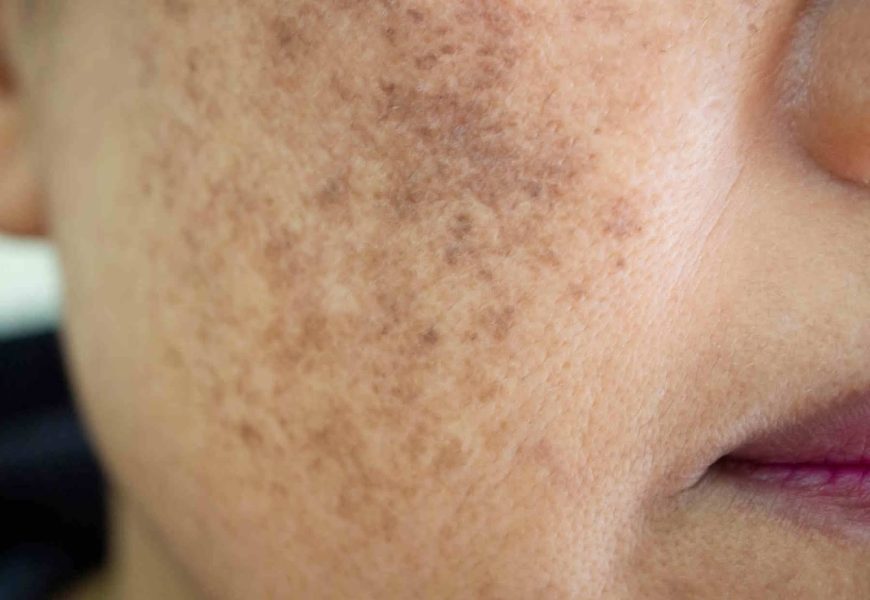
Hyperpigmentation is what happens when the cells responsible for your skin’s color, the melanocytes, overproduce melanin in one area, causing a patch of darker skin to form. These cells are naturally more active and more reactive to trauma, inflammation, and exposure than most, so that means something as minor as a pimple, a bug bite, or even aggressive exfoliation can lead to these patches showing up.
The most common types you’ll see on darker skin include post-inflammatory hyperpigmentation (PIH), melasma, and sunspots. PIH is the discoloration left behind after acne or irritation. Melasma tends to appear as larger patches, often on the cheeks, forehead, or upper lip, and it’s heavily influenced by hormones and sun exposure. Sunspots accumulate over time in areas that see the most light.
What makes all of these tricky is that the standard playbook, things like aggressive chemical peels or older laser systems, can trigger even more pigmentation rather than less when applied without the right training and technology.
Darker Skins Need Special Treatments
Speaking of technology, not all lasers are the same. Traditional lasers, for example, work by targeting pigment with heat, which tends to work well for lighter tones. However, on deeper complexions, the laser can’t always tell the difference between the pigment you want to remove and the natural coloration of your skin, which is what causes the risk of burns, hypopigmentation (white patches), or worsening discoloration.
Pico lasers are a significant improvement in that sense. Instead of relying purely on heat, they use ultra-short pulses of energy that shatter pigment mechanically, causing less thermal damage to surrounding cells, which makes them safer and more effective for darker pigments.
Other Treatments Worth Knowing About
That being said, lasers are not the only option out there. In fact, you’ll get the best results from combining several treatments instead of one.
Motus technology uses a different wavelength combined with a moving delivery method that distributes energy more evenly across the skin, making it great for removing both dark spots and unwanted hairs. Most risks associated with hair removal like burns and patchy results come from older methods, and get completely bypassed with this method.
Then you have RF microneedling, which uses microneedles to create controlled microscopic injuries that stimulate collagen, while the radiofrequency energy remodels deeper layers without targeting surface melanin. This is by far one of the best options for people dealing with texture problems like acne scarring, and early signs of aging, especially if you can’t do laser treatments.
You can also get custom medical-grade facials, which are well-formulated treatments, tailored to your specific skin type by a licensed master esthetician, to do a lot of heavy lifting between more advanced procedures.
What To Ask Your Esthetician
When looking for hyperpigmentation treatment, the single most useful question to ask your provider is: How does this treatment affect my skin tone?
A provider who has done their homework will have a clear, specific answer. They’ll be able to tell you which devices they use, why those devices are appropriate for your Fitzpatrick type, and what their protocol looks like across treatment sessions. The bad ones will handwave these concerns away with some vague assurance that’s more focused on not losing you as a client.
Physician oversight matters here, too. Medical spas with on-site physicians tend to work with a different level of accountability than aesthetician-only studios. When a board-certified physician is involved in treatment planning and clinical oversight, your safety net is considerably stronger.
A Note on Patience and Maintenance
Hyperpigmentation rarely clears after a single session. Realistic timelines involve multiple treatments spaced weeks apart, combined with a daily sunscreen habit and the right at-home maintenance products. Results build over time, and the goal is gradual, consistent improvement rather than overnight transformation.
If you’re in the DMV area and want a consultation with a team that actually specializes in treating skin of color, visitglowwithnoor.comto learn more and book your appointment.