
Picture a Saturday morning in mid-October. There’s a $50 bill on the kitchen counter, a cup of coffee going cold, and the maple across the street has turned the color of a traffic cone overnight.
You’ve been saying you’ll “start something” since Labor Day. The trouble is choosing. Knitting looks cozy, sourdough looks smug, and birdwatching looks like it requires a vest with a lot of pockets.
So here’s the real question: which fall hobbies can you actually start this weekend, properly, with that one bill? We priced each one against real store listings to find out.
Quick answer
Seven fall hobbies you can start this weekend for under $50: knitting (about $16), sourdough (about $24), backyard birdwatching (about $21), sketch journaling (about $19), leaf pressing (under $8), air-dry clay (under $7) and planting spring bulbs (about $25 to $37), based on listings checked October 16, 2026.
Key takeaways
- All seven hobbies here cost less than $50 to start, using prices from real store listings.
- Leaf pressing and air-dry clay cost under $8 each, so you could try both and still have change.
- A sourdough starter takes about five days to get going, so start it Saturday and bake next weekend.
- Bulbs do best planted four to six weeks before the ground freezes, so many gardeners still have time.
- A large 2023 study linked having a hobby to better wellbeing in adults 65 and older.
Why is fall a good time to start a new hobby?
Fall pushes everyone indoors a little earlier each evening, and that extra hour of dusk is a natural slot for something you make with your hands. It is also the season when several hobbies simply work best: bulbs go in the ground now, leaves are at their most colorful now, and backyard bird counts start in November.
There is research on why the effort may be worth it. A 2023 study in Nature Medicine pooled five long-running studies covering 93,263 people aged 65 and older in 16 countries. Having a hobby was linked to fewer depressive symptoms and higher self-reported health, happiness and life satisfaction.
Two honest caveats. That study looked at older adults, and it found an association, not proof that knitting cures anything. If your mood has been low for a while, a hobby is a fine companion to care, not a replacement for it, so talk with a licensed professional.
Which fall hobbies can you start for under $50?
We priced a basic starter kit for each hobby on October 16, 2026, using Walmart.com and Lion Brand’s own store. Prices move often and don’t include tax or shipping, so treat these as a realistic snapshot rather than a promise.
| Hobby | What you buy | Starter cost |
|---|---|---|
| Knitting | 2 balls of worsted yarn, size 8 needles | $16.35 |
| Sourdough | Whole wheat flour, all-purpose flour, kitchen scale | $23.99 |
| Backyard birdwatching | Free ID app, hopper feeder, 5 lb sunflower seed | $21.23 |
| Sketch journaling | Pocket sketch pad, 3 fineliner pens | $18.76 |
| Leaf pressing | Wax paper, matte sealer (plus books you own) | $7.60 |
| Air-dry clay | One 2.5 lb tub | $6.88 |
| Spring bulbs | A bag of 25 daffodil bulbs | $24.99 to $36.96 |
Every item and price is linked in the sections below, along with the one step to take this weekend.
How much does it cost to start knitting?
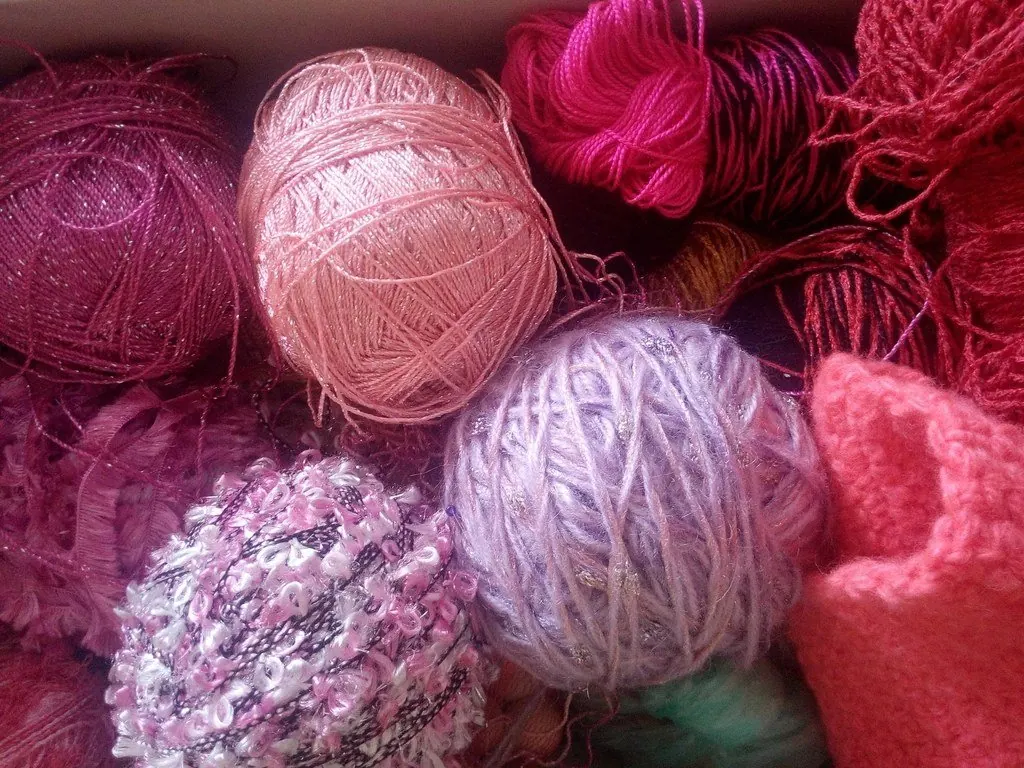
Lion Brand lists its Wool-Ease worsted yarn at $5.99 a ball, with 197 yards per ball and a suggested knit gauge on size 8 (5 mm) needles. Walmart lists a pair of Boye 14-inch aluminum size 8 needles for $4.37. Two balls plus needles comes to $16.35.
Two balls is enough to practice and make a simple scarf, which is the classic first project because it is just one long rectangle. Pick a light, solid color. Dark or speckled yarn makes it hard to see your stitches while you are learning.
First weekend step: Learn the cast-on and the knit stitch from a video, then knit plain rows (garter stitch) until the motion stops feeling clumsy. Don’t worry about uneven edges yet.
How do you start a sourdough starter this weekend?
A starter is just flour and water that you feed until wild yeast takes over. King Arthur’s sourdough starter recipe begins with 50 grams of whole wheat flour and 50 grams of cool water, left loosely covered for 24 hours. On day two you keep 50 grams, discard the rest, and feed it 50 grams each of water and all-purpose flour. From day three you feed twice a day, about 12 hours apart.
By the end of day five, King Arthur says a healthy starter should at least double within about six to eight hours of a feeding, smell pleasantly tangy and be full of bubbles. It likes a warm room, about 70°F to 78°F.
Walmart lists King Arthur whole wheat flour at $5.98 and King Arthur all-purpose flour at $5.48 for 5-pound bags. Because the recipe works in grams, a Mainstays digital kitchen scale for $12.53 is worth the money. Total: $23.99, plus a glass jar you probably already own.
First weekend step: Mix day one on Saturday morning. Put a rubber band around the jar at the starter’s level so you can see it rise.
How do beginners get into birdwatching in the fall?
The cheapest field guide is already on your phone. The Cornell Lab’s Merlin Bird ID app is free and includes Sound ID and Photo ID, which use machine learning to suggest which bird you are hearing or photographing.
Bring the birds closer with a feeder. Walmart lists a Pennington hopper feeder that holds 2.5 pounds for $7.24 and a 5-pound bag of Kaytee black oil sunflower seed for $13.99. That’s $21.23 to start.
If you want your sightings to count for something, Project FeederWatch is a November-to-April survey of birds at backyards and community spaces in North America. You can count weekly or just once all winter. The annual fee is $18 for U.S. residents, which still keeps the whole setup at $39.23.
First weekend step: Hang the feeder where you can see it from a window, then open Sound ID for five minutes with your morning coffee.
Try this weekend: a pressed-leaf bookmark
- Press three or four small, colorful leaves between wax paper inside a heavy book.
- Once they’re flat and dry, cut a strip of cardstock about 2 by 7 inches.
- Arrange the leaves on the strip and brush a thin coat of matte Mod Podge over them.
- Let it dry, add a second thin coat, then punch a hole and tie on a bit of yarn.
Time: about 20 minutes of hands-on work, plus the days the leaves spend in the book. Cost: about $7.60 using the wax paper and Mod Podge priced above.
More project ideas
What do you need to start a sketch journal?
Very little. Walmart lists a Strathmore 400 Series sketch pad with 100 sheets, 5.5 by 8.5 inches, for $6.99, small enough for a coat pocket. Add a three-pack of Sakura Pigma Micron 05 fineliner pens for $11.77 and you’re at $18.76.
Fall gives you endless free subjects: a pinecone, a squash on the counter, the view from a park bench. If you want structured practice, our guide to simple drawing lessons for beginners is a good companion.
First weekend step: Draw one object a day for a week, ten minutes each, and write the date and one line about the day underneath. That small habit turns a sketchbook into a journal.
How do you press fall leaves so they keep their color?
The simplest method, per Gardening Know How, is to sandwich leaves between newspaper or waxed paper and stack something heavy on top, like a pile of books. You can also iron leaves between sheets of wax paper for a faster, sealed version.
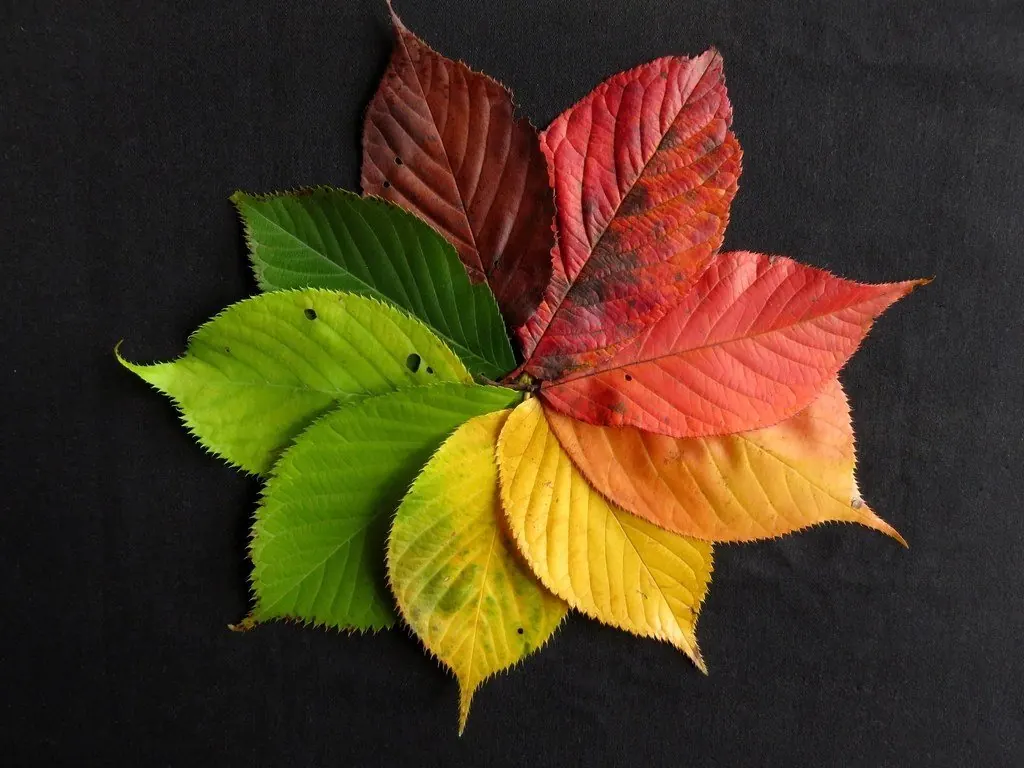
Walmart lists Reynolds Cut-Rite wax paper for $2.66 and an 8-ounce jar of matte Mod Podge for $4.94 for sealing finished leaves onto cards or bookmarks. That’s $7.60, the cheapest hobby on this list.
Collect leaves that are dry on the surface and still flexible, not crisp. Once they’re pressed, keep them out of strong sun. Our piece on why pressed flowers keep fading covers the light and moisture mistakes that dull pressed color.
First weekend step: Take a 20-minute walk, pick up a dozen leaves in different colors, and get them into a book that same afternoon.
Can you make pottery at home without a kiln?
Yes, if you start with air-dry clay. It hardens at room temperature, so your kitchen table becomes the studio. Walmart lists a 2.5-pound tub of Crayola Air-Dry Clay for $6.88. Air-dry pieces are best for decorative work like trinket dishes and ornaments, so check the tub for drying time and care directions before you plan anything that holds water or food.
A fun fall project is a leaf-print dish: roll a slab, press a real leaf into it, trim around the shape and drape it over a small bowl to dry. If clay hooks you, our guide to pottery wheel basics for beginners explains what to expect from a studio class.
First weekend step: Make three small pinch pots. The first one is always lopsided, and that’s the point.
Is it too late to plant spring bulbs in October?
For many gardeners, no. University of Illinois Extension says the ideal time to plant bulbs is about four to six weeks before the ground freezes, and that any time before the ground freezes can work. Plant tulips and daffodils 6 to 8 inches deep and small bulbs like crocus 3 to 4 inches deep, pointed end up, then water well so the soil settles.
On Walmart.com, a 25-bulb bag of yellow Dutch Master daffodils was $24.99 and a 25-bulb Garden State Bulb mixed daffodil bag was $36.96. Both are sold by third-party sellers on the site, so check reviews and shipping dates before you order. A local garden center may be faster this late in the season.
First weekend step: Pick one sunny patch near a path or window, where you’ll actually see the flowers in spring, and plant the whole bag in loose clusters rather than single rows.
How do you choose the fall hobby you’ll stick with?
Pick by the time you really have, not the time you wish you had. Sourdough needs a few minutes twice a day. Bulbs need one afternoon and then patience until spring. Knitting and sketching fit into ten-minute gaps, and birdwatching fits anywhere there’s a window.
It also helps to choose something you can see progress in quickly. A rising starter, a growing scarf or a filled page gives you a reason to come back tomorrow.
Back at that kitchen counter, the $50 bill turns out to be plenty. Leaf pressing and a tub of clay together cost about $15, which leaves room for a feeder or a bag of bulbs. By Sunday night you could have leaves drying under the dictionary and a jar of flour paste on the counter, quietly starting to bubble.
Share your project
Did that $50 turn into a scarf, a loaf or a windowsill full of birds? We’d love to see what you started this fall. Send us a photo and a few lines about your first weekend, and your project could appear in a future Live Love Hobby story.
Frequently asked questions
What is the cheapest hobby to start in the fall?
Leaf pressing is close to free if you already own heavy books. A roll of wax paper and a jar of matte sealer add about $7.60 at the prices we checked, and the leaves cost nothing.
Can I knit a scarf as a complete beginner?
Yes. A scarf is a long rectangle, so you only need the cast-on, the knit stitch and the bind-off. Worsted-weight yarn in a light solid color makes stitches easier to see while you learn.
How long does it take before I can bake with a new sourdough starter?
King Arthur's method says a healthy starter should reliably double within about six to eight hours of feeding by around day five. Cooler kitchens can take longer, so wait until it rises predictably before baking.
Do I need binoculars to start birdwatching?
No. A window, a feeder and a free ID app like Merlin are enough to start. Many people add binoculars later once they know they enjoy it and want to watch birds farther away.
Can air-dry clay be used for mugs or plates?
Air-dry clay is best for decorative pieces. It isn't fired in a kiln, so check the manufacturer's directions before using it for anything that holds water or food. For functional pottery, a studio class with a kiln is the usual route.
Sources
- Nature Medicine: Hobby engagement and mental wellbeing among people aged 65 years and older in 16 countries
- Lion Brand Yarn: Wool-Ease Acrylic Blend Yarn
- Walmart: Simplicity Boye 14 in Anodized Aluminum Knitting Needles, Size 8
- King Arthur Baking: Sourdough Starter recipe
- Walmart: King Arthur 100% Whole Wheat Flour, 5 lb
- Walmart: King Arthur Unbleached All-Purpose Flour, 5 lb
- Walmart: Mainstays 6LB High Precision Digital Kitchen Scale
- Apple App Store: Merlin Bird ID by Cornell Lab
- Walmart: Pennington Earth Smart Hopper Wild Bird Feeder, 2.5 lb
- Walmart: Kaytee Wild Bird Black Oil Sunflower Food, 5 lb
- Project FeederWatch: What is FeederWatch?
- Walmart: Strathmore 400 Series Sketch Pad, 5.5 x 8.5 in, 100 sheets
- Walmart: Sakura Pigma Micron 05 Fineliner Pens, 3-pack
- Gardening Know How: How to Press Fall Leaves
- Walmart: Reynolds Cut-Rite Wax Paper, 75 sq ft
- Walmart: Mod Podge Matte, 8 fl oz
- Walmart: Crayola Air-Dry Clay, 2.5 lb, White
- University of Illinois Extension: How to plant flower bulbs for a colorful spring display
- Walmart: Dutch Master Daffodil Bulbs, 25 bulbs
- Walmart: Garden State Bulb All-In-One Mixed Daffodil Bulbs, Bag of 25
Read us often? Make Live Love Hobby a preferred source in Google Search and see our reporting more often in Top Stories.
